
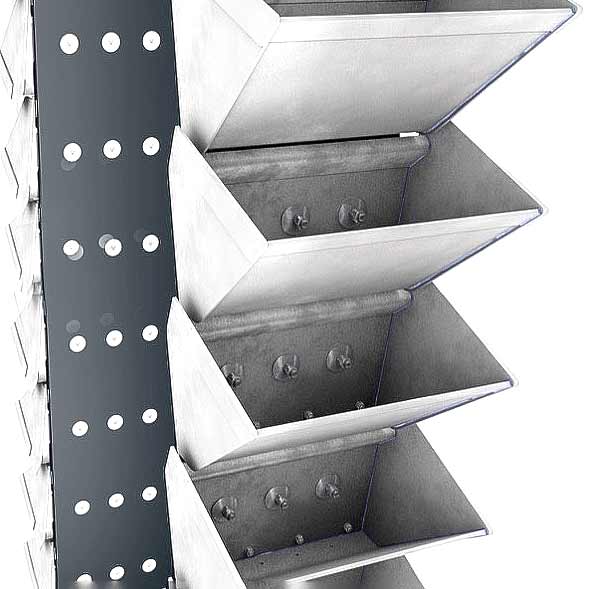
In industries like agriculture, food processing, cement, mining, and manufacturing, material handling plays a major role in daily operations. One of the most efficient tools used for vertical material transport is the Elevator Buckets system. These buckets help move bulk materials safely, quickly, and with minimal product loss.
Choosing the right bucket and maintaining it properly can improve productivity, reduce downtime, and lower operational costs. This guide explains everything you need to know about selecting and maintaining buckets in simple language.
What Are Elevator Buckets?
Elevator Buckets are specially designed containers attached to a belt or chain in a bucket elevator system. Their main purpose is to carry bulk materials vertically from one level to another.
They are commonly used for transporting:
- Grains and seeds
- Fertilizers
- Sand and cement
- Chemicals
- Animal feed
- Minerals and ores
Bucket elevators are preferred because they require less floor space and can handle large quantities of material efficiently.
Why Choosing the Right Elevator Bucket Matters
Selecting the best elevator bucket is important for both performance and safety. A poor-quality or incorrectly sized bucket can lead to:
- Material spillage
- Faster wear and tear
- Reduced efficiency
- Equipment breakdowns
- Increased maintenance costs
According to industry reports, efficient bucket elevator systems can improve material handling productivity by up to 30% in manufacturing and agricultural operations.
Types of Elevator Buckets
Different industries require different bucket designs. Understanding the main types helps in making the right decision.
| Bucket Type | Best For | Key Benefits |
|---|---|---|
| Plastic Buckets | Food and agriculture industries | Lightweight, corrosion-resistant |
| Steel Buckets | Heavy-duty industrial use | Strong and durable |
| Stainless Steel Buckets | Food processing and chemical plants | Rust-resistant and hygienic |
| Deep Buckets | Free-flowing materials | Higher carrying capacity |
| Shallow Buckets | Sticky or slow-moving materials | Better discharge performance |
Using the correct bucket type improves material flow and reduces operational issues.
Important Considerations for Choosing Elevator Buckets
1. Material Type
The material being transported is the first thing to consider. Heavy materials like cement or gravel require strong steel buckets, while food products may need plastic or stainless-steel options for hygiene.
2. Bucket Capacity
Bucket size directly affects system efficiency. Larger buckets increase carrying capacity but may require more power.
3. Temperature Resistance
Some industries handle hot materials. In such cases, heat-resistant buckets are necessary to prevent damage and maintain performance.
4. Abrasion Resistance
Materials like sand, minerals, and coal can cause heavy wear. Durable buckets with abrasion-resistant surfaces last longer and reduce replacement costs.
5. Bucket Design
The design impacts filling and discharge efficiency. Properly designed buckets minimize product loss and ensure smooth operation.
Common Materials Used in Elevator Buckets
Plastic Elevator Buckets
Plastic buckets are lightweight and corrosion-resistant. They are widely used in agriculture and food processing industries.
Benefits include:
- Low maintenance
- Rust resistance
- Cost-effective installation
- Suitable for moisture-prone environments
Steel Elevator Buckets
Steel buckets are ideal for demanding industrial applications.
Advantages include:
- High strength
- Better impact resistance
- Long service life
- Suitable for heavy materials
Stainless Steel Buckets
These buckets are mainly used in industries requiring hygiene and corrosion protection.
Common applications include:
- Food manufacturing
- Pharmaceutical processing
- Chemical industries
Signs Your Elevator Buckets Need Replacement
Regular inspection is essential for avoiding sudden breakdowns. Here are common warning signs:
Cracks or Holes
Damaged buckets can leak material and reduce efficiency.
Uneven Wear
Uneven wear may indicate alignment problems or excessive load pressure.
Reduced Capacity
If production output decreases, worn buckets may not be carrying material efficiently.
Corrosion or Rust
Rust weakens bucket structure and increases failure risk.
Loose Mounting Bolts
Loose buckets can damage the belt system and create safety hazards.
Elevator Bucket Maintenance Tips
Proper maintenance extends equipment life and improves overall system performance.
Conduct Regular Inspections
Check buckets every week for cracks, signs of wear, and loose fittings. Early detection helps prevent expensive repairs.
Clean Buckets Frequently
Dust and residue buildup can affect bucket performance. Regular cleaning maintains smooth operation.
Check Belt Alignment
Misaligned belts can damage buckets and reduce efficiency. Proper alignment ensures even load distribution.
Lubricate Moving Parts
Lubricating chains, bearings, and pulleys reduces friction and extends machine life.
Replace Damaged Buckets Immediately
Ignoring damaged buckets can affect the entire elevator system and lead to major downtime.
Maintenance Checklist Table
| Maintenance Task | Recommended Frequency |
|---|---|
| Visual Inspection | Weekly |
| Bucket Cleaning | Weekly |
| Belt Alignment Check | Monthly |
| Bolt Tightening | Monthly |
| Full System Inspection | Every 6 Months |
| Bucket Replacement Review | Annually |
Following a maintenance schedule improves reliability and minimizes unexpected shutdowns.
Benefits of Proper Elevator Bucket Maintenance
Companies that maintain their bucket elevator systems regularly often experience:
- Reduced downtime
- Lower repair costs
- Improved workplace safety
- Better material handling efficiency
- Longer equipment lifespan
Studies show that preventive maintenance can reduce equipment failure rates by nearly 40% in industrial operations.
Common Problems in Bucket Elevator Systems
Even high-quality systems can face operational challenges.
Material Spillage
Usually caused by incorrect bucket spacing or overloading.
Bucket Cracking
Often happens due to impact damage or poor-quality materials.
Belt Slippage
Can result from tension issues or worn pulleys.
Blockages
Sticky materials sometimes clog discharge points, affecting productivity.
Routine inspections help identify these issues before they become serious.
How Technology Is Improving Elevator Buckets
Modern industries are adopting advanced bucket elevator solutions for better performance.
Recent innovations include:
- Wear-resistant polymer buckets
- Smart monitoring sensors
- Anti-static bucket materials
- Energy-efficient elevator systems
These innovations enhance operational performance while minimizing maintenance needs.
Best Practices for Long-Term Performance
To maximize the life of your elevator buckets:
- Use the correct bucket type for your application
- Avoid overloading the system
- Follow a preventive maintenance schedule
- Train operators properly
- Use high-quality replacement parts
Simple operational improvements can significantly increase system reliability.
Conclusion
Choosing the right Elevator Buckets and maintaining them properly is essential for efficient material handling operations. The correct bucket type improves productivity, reduces downtime, and supports long-term equipment performance.
Whether you work in agriculture, food processing, mining, or manufacturing, investing in quality buckets and regular maintenance can save both time and money. By following proper inspection routines and selecting the right materials, businesses can ensure smooth and reliable operations for years to come.
A well-maintained bucket elevator system is not just an operational asset — it is a smart investment in productivity, safety, and efficiency.
Frequently Asked Questions
What industries use elevator buckets?
Elevator buckets are widely used in agriculture, mining, cement, food processing, chemical manufacturing, and recycling industries.
How long do elevator buckets last?
The lifespan depends on material quality, operating conditions, and maintenance practices. Well-maintained buckets can last several years.
Which is better: plastic or steel elevator buckets?
Plastic buckets are suitable for lightweight and moisture-sensitive materials, while steel buckets are better for heavy-duty industrial applications.
How often should elevator buckets be inspected?
Weekly inspections are recommended to identify wear, cracks, or alignment issues early.